
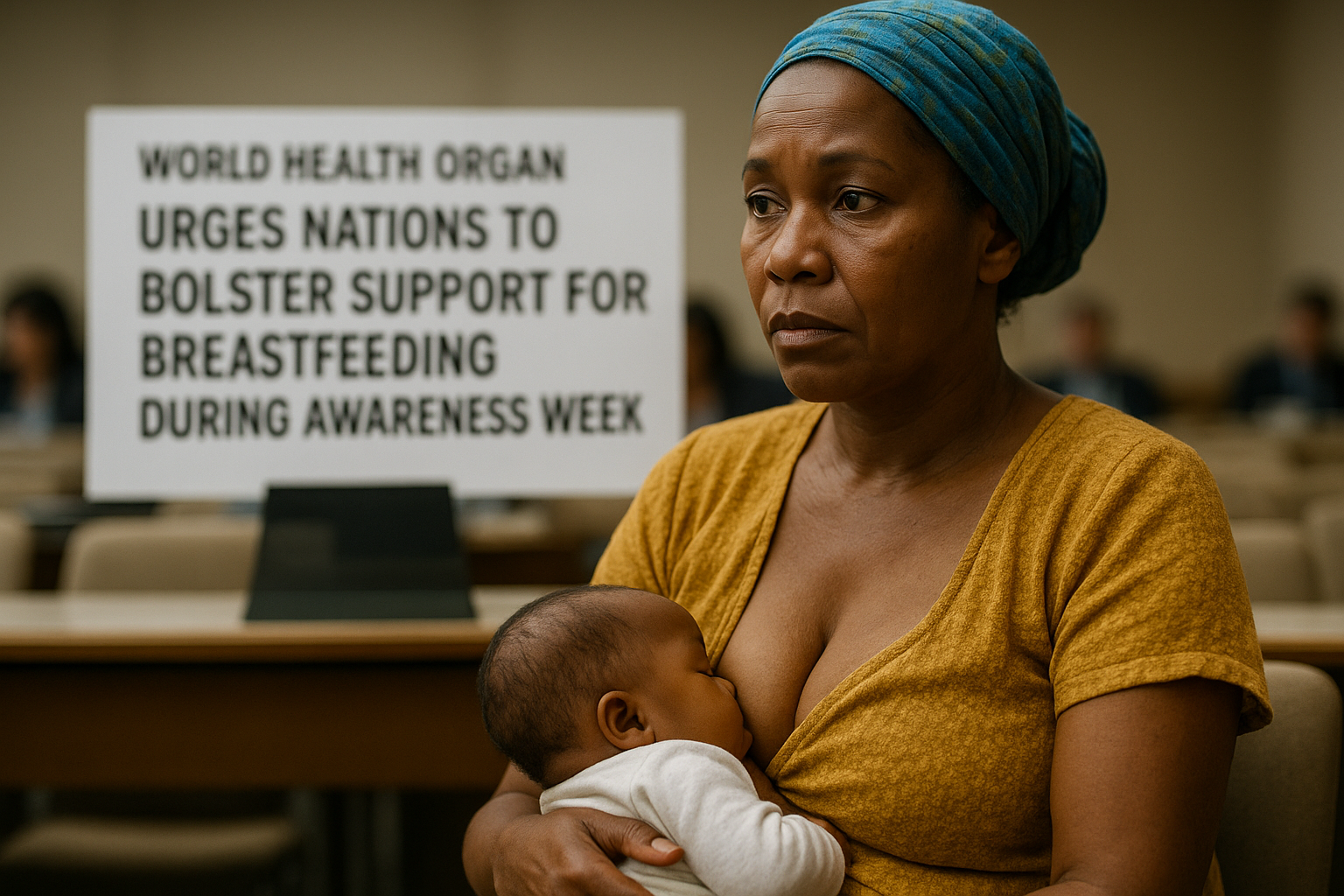
During World Breastfeeding Week, the World Health Organization (WHO) has urged nations worldwide to strengthen their health systems to better support breastfeeding mothers. This initiative highlights the crucial role of breastfeeding in promoting both child and maternal health. By providing essential nutrients and fostering a strong emotional bond between mother and child, breastfeeding significantly contributes to reducing infant mortality rates and supporting healthy development.
Despite its benefits, many mothers encounter significant challenges when breastfeeding due to inadequate healthcare support and societal barriers. To address these issues, the WHO emphasizes the importance of investing in health infrastructures that facilitate breastfeeding. This includes the establishment of lactation support services and the promotion of breastfeeding-friendly environments in workplaces.
Furthermore, public education campaigns play a critical role in normalizing breastfeeding and eliminating the stigma often associated with it. By raising awareness and understanding, these initiatives can help create a supportive environment for breastfeeding mothers.
The WHO’s call to action stresses that supporting breastfeeding is a shared responsibility that requires coordinated efforts from various sectors of society. By prioritizing investments in health systems and societal support, countries can promote healthier communities and advance global health objectives. Ultimately, these measures can contribute to building a healthier future for children and mothers alike.
Some content for this article was sourced from who.int.