
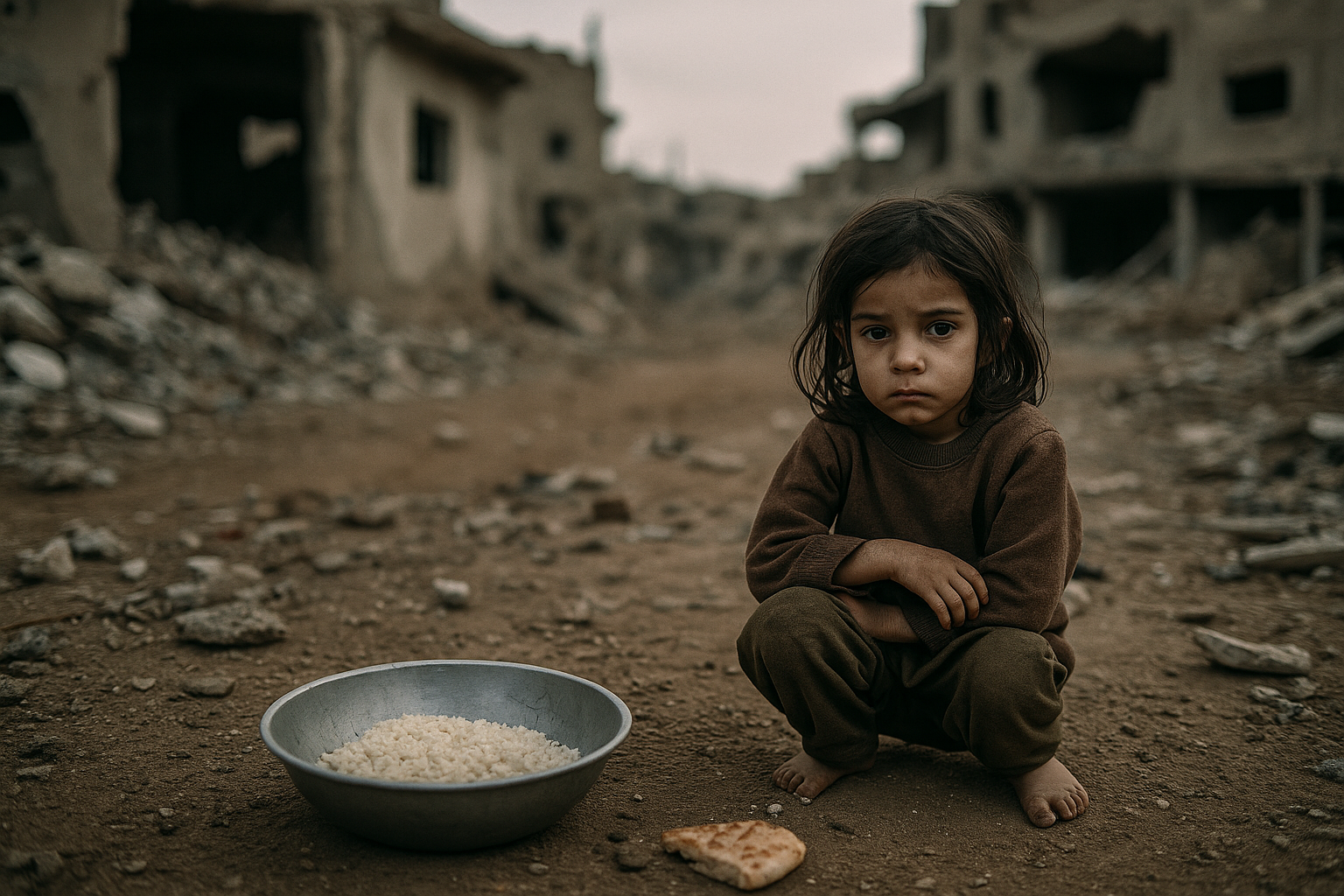
The World Health Organization (WHO) has issued an urgent alert concerning escalating food insecurity and malnutrition in the Gaza Strip. According to a recent report from the Integrated Food Security Phase Classification (IPC), a substantial portion of the population in Gaza is grappling with severe food shortages. This situation is primarily attributed to ongoing conflict, economic struggles, and movement restrictions within the region.
The alert from WHO highlights the growing severity of the crisis, emphasizing the critical need for international attention and intervention. The organization warns that if the situation is not addressed swiftly, the health of vulnerable groups, such as children and the elderly, could deteriorate significantly. These groups are particularly at risk of severe health consequences stemming from malnutrition.
The WHO’s call to action urges the global community to address the underlying causes of this crisis and to provide necessary humanitarian aid to those affected. The organization underscores the importance of immediate efforts to prevent further degradation of living conditions in Gaza, which could lead to long-term health issues across the population.
Food insecurity and malnutrition have far-reaching impacts, particularly in regions already facing compounded health challenges. The ongoing conflict and restrictions exacerbate these conditions, creating an environment where access to essential nutrition becomes increasingly difficult. The WHO’s alert aims to mobilize resources and support to mitigate these impacts and to work towards sustainable solutions.
With the situation in Gaza becoming increasingly dire, the WHO’s alert serves as a critical reminder of the need for coordinated international efforts to address food insecurity and its root causes. As the world turns its attention to this pressing issue, the hope is to alleviate the immediate suffering and to build a foundation for long-term stability and health improvement in the region.
Some content for this article was sourced from who.int.