
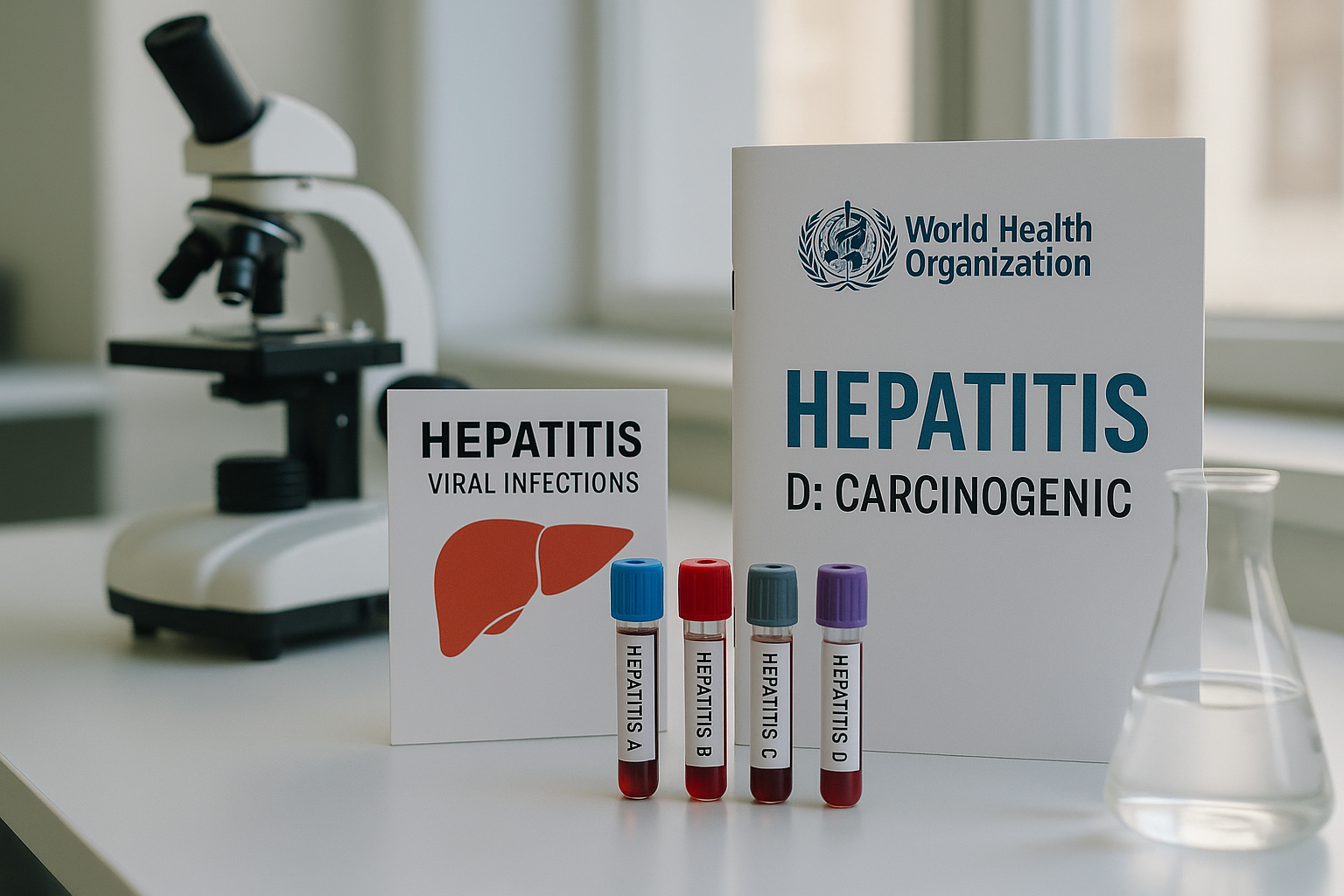
On World Hepatitis Day, the World Health Organization (WHO) has urged governments and health partners worldwide to intensify their efforts to eliminate viral hepatitis and reduce liver cancer deaths. WHO Director-General Dr. Tedros Adhanom Ghebreyesus highlighted that every 30 seconds, a person succumbs to severe liver disease or liver cancer linked to hepatitis, despite the availability of effective tools to combat the virus.
Viral hepatitis types A, B, C, D, and E are major contributors to acute liver infections, with types B, C, and D leading to chronic infections that significantly increase the risk of cirrhosis, liver failure, and liver cancer. WHO’s recent announcement that hepatitis D is now classified as carcinogenic, similar to hepatitis B and C, underscores the critical need for increased screening and treatment. This reclassification by the International Agency for Research on Cancer (IARC) marks a pivotal moment in raising awareness and expanding access to new treatments for hepatitis D.
Hepatitis D is unique in that it only infects individuals already carrying the hepatitis B virus, but it poses a two- to six-fold higher risk of liver cancer compared to hepatitis B alone. The WHO has published guidelines on testing and diagnosis of hepatitis B and D and is actively monitoring clinical outcomes from innovative treatments for hepatitis D, as noted by Dr. Meg Doherty, incoming Director of Science for Health at WHO.
The WHO’s call to action emphasizes the urgent need for concerted global health efforts and resource allocation to address the challenges posed by viral hepatitis. With over 300 million people affected worldwide and more than 1.3 million deaths annually attributed to hepatitis-related complications, this initiative aims to harness existing tools and strategies to eliminate hepatitis as a public health threat. Recognizing the carcinogenic potential of hepatitis D further stresses the importance of awareness, prevention, and treatment strategies to combat this global health issue.
Some content for this article was sourced from who.int.